StockBench is a comprehensive benchmark platform designed to evaluate Large Language Models (LLMs) in stock trading decision-making. It simulates real-world trading scenarios using historical market data to assess investment decision quality, risk management capabilities, and return performance across different LLM models.. Benchmark Your Portfolio with AI Make smarter investment decisions with advanced AI algorithms analyzing market trends, sentiment, and financial data in real-time.

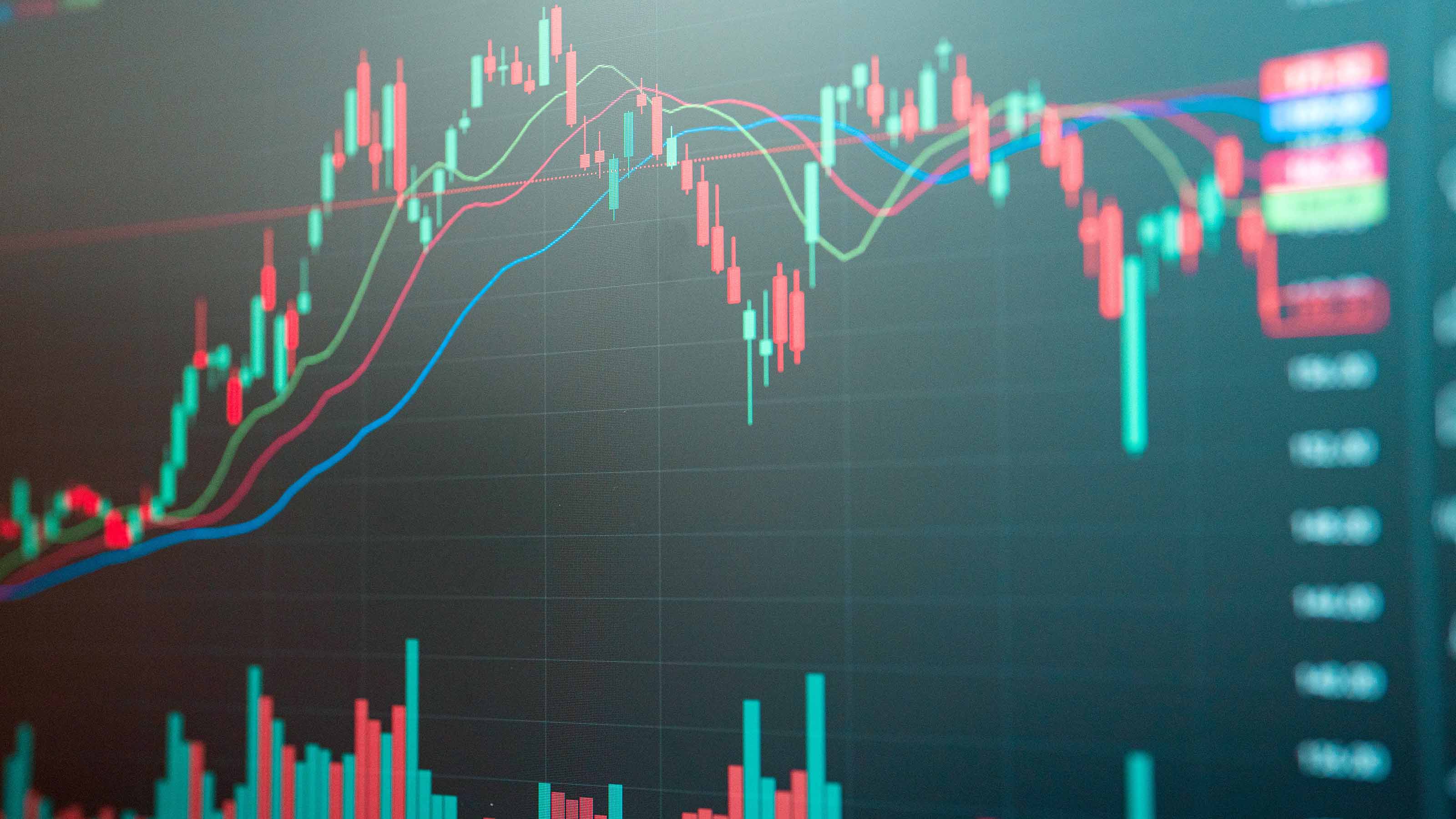
stock market and cryptocurrency trading chart concept. bar graph with

Stocks Mostly Higher on Hopes for Lower Interest Rates
stock market investment trading business candlestick chart chart on

Stock The World Bulletin
Stock Market Today Stocks Stumble on Ugly Earnings from Tech
These Canadian Stocks Are Quietly Outperforming the Market The Motley

Stock Market Up
How Does the Stock Market Work? Chase

Stock exchange market graph analysis background, business candle stick

Candlestick Stock Market Chart at Carlos Brookover blog
Stock Market Today Nasdaq Climbs for Fourth Straight Day Ahead of CPI

Why Is The Stock Market Up Today
Monitor bench stock items balances and flag items for replenishment Perform review of recommended additions, changes and deletions to the bench stock Ensure used bench stock items in work centers re demilitarized and deposed. To address this gap, we introduce StockBench, a contamination-free benchmark designed to evaluate LLM agents in realistic, multi-month stock trading environments. Agents receive daily market signals—including prices, fundamentals, and news—and must make sequential buy, sell, or hold decisions.